In remote roads, industrial parks, ports, islands and weak-grid regions, the lighting risk is not only power failure. Solar panels, batteries, cabinets and cables may also become visible assets that need monitoring and protection.
Anti-Theft Hybrid Solar-Grid Street Lighting should combine power resilience with GPS asset identity, cabinet alarms, abnormal offline alerts, local gateway records and owner-reviewable maintenance evidence.
Anti-theft design should be built into the lighting architecture, not added as a small accessory after installation.
The stronger solution connects asset identity, power status, communication status and maintenance response in one reviewable system.
Do not ask only: Can we add a lock to the cabinet?
Ask instead: Can the owner identify, locate, monitor and review abnormal asset behavior after handover?
In many weak-grid regions, solar and battery assets are more visible than ordinary grid street lighting components. A low-cost system may light up at first, but become expensive if panels, batteries or cables are stolen without early warning.
Locks and cabinets help, but they do not give the owner asset visibility or event records.
GPS identity, alarms, offline records and maintenance workflows make abnormal events visible and reviewable.
Different power models expose different asset risks. Buyers should compare what can be monitored, not only what can be locked.
| Asset / Risk | Pure Solar | UPS + Grid | Pure Grid | Smart Hybrid Solar-Grid |
|---|---|---|---|---|
| Solar panel theft | High exposure if panel is accessible. | Usually not applicable. | Usually not applicable. | Can be monitored with asset identity and abnormal status logic. |
| Battery theft | Battery often installed near pole or cabinet. | Battery cabinet may become a target. | Low unless backup battery is added. | Battery/cabinet status can be connected with alarm records. |
| Cable theft | Possible, especially in remote roads. | Possible around cabinets and feeders. | Common risk in some weak-grid regions. | Can combine power status, offline alarm and maintenance dispatch. |
| Controller tampering | Often hidden until failure. | May not be linked with lighting platform. | Depends on control upgrade. | Controller status can be reviewed with gateway/platform records. |
| Owner evidence | Often weak in low-cost projects. | May stay inside electrical backup system. | Depends on smart control layer. | GPS, alarm, outage and maintenance records can be kept together. |
A serious anti-theft design should connect mechanical protection with digital evidence.
| Function | Weak Design | Stronger Design | Buyer Benefit |
|---|---|---|---|
| GPS asset identity | Not included or manually recorded. | Each important asset can be mapped and identified. | Improves ownership, maintenance and abnormal-event investigation. |
| Cabinet / cover alarm | Mechanical lock only. | Opening, tampering or abnormal status alarm can be reported. | Makes interference visible earlier. |
| Offline abnormality | Offline status ignored until complaint. | Abnormal offline alarm can trigger inspection. | Reduces long blind periods. |
| Battery protection | Battery is treated as replacement part only. | Battery status and cabinet condition become part of monitoring. | Protects the most expensive recurring component. |
| Maintenance workflow | Phone calls and manual notes. | Alarm, asset and maintenance records remain reviewable. | Supports owner handover and long-term operation. |
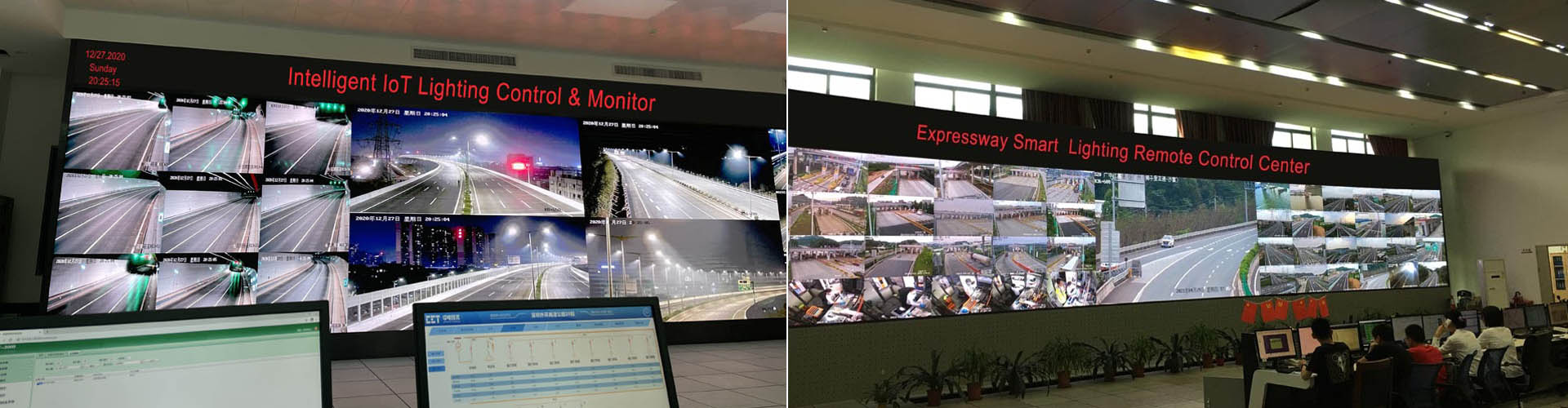
Before buyers accept any backup claim, they should first ask whether the supplier understands real field-control pressure. Long-road and tunnel lighting projects require more than a lamp and a battery. They require control continuity, communication reliability, maintenance visibility and project-level acceptance logic.
Anti-theft projects often need stable local records even when public communication is interrupted. Local gateway logic helps preserve schedules, alarms and event reviewability.
| Requirement | Cloud-Only Risk | Local Gateway Advantage | Owner Value |
|---|---|---|---|
| Alarm continuity | Alarm may depend on external network availability. | Gateway can keep field records and schedules locally. | Events can remain reviewable after connection recovery. |
| Security policy | Public cloud dependency may not fit sensitive projects. | Private fiber, local server or private APN/VPN options can be used. | Better fit for government, port, tunnel and industrial owners. |
| Maintenance dispatch | Fault location may be unclear. | GPS identity and local records guide inspection. | Reduces wasted site visits. |
| Handover | Supplier knowledge may leave after installation. | Owner receives records, asset list and alarm history. | Long-term operation becomes less dependent on memory. |
Brand reputation, cloud dashboards and software screenshots are useful, but weak-grid lighting projects need a deeper acceptance standard. Buyers should compare whether the supplier can keep lighting powered, monitored, protected and locally controllable after handover.
| Comparison Target | Typical Strength | Buyer Should Also Check | Why Hybrid Solar-Grid + Local Gateway Matters |
|---|---|---|---|
| Signify / Interact-style platforms | Mature global lighting platform, cloud dashboard and city-scale data management. | Can the system remain controllable when internet access is interrupted or local operation is required? | Weak-grid projects need field autonomy, solar/grid power logic and owner-reviewable records together. |
| Schreder-style outdoor lighting solutions | Strong municipal lighting experience, luminaire engineering and project recognition. | Does the solution include hybrid power design, battery takeover logic and local gateway fallback? | The buyer must judge the complete lamp, power and control chain. |
| Telensa / wireless control platforms | Recognized wireless street lighting control and large node management logic. | Can wireless control be combined with power-failure evidence, GPS identity and battery/grid switching verification? | Connectivity is useful, but lighting continuity decides whether the road stays safe during outages. |
| Tvilight-style adaptive platforms | Adaptive lighting, sensor dimming and energy-saving storytelling. | Are outage records, battery status, asset identity and maintenance actions reviewable after handover? | Dimming becomes stronger when it is connected with solar-grid charging strategy and local control schedules. |
| Itron / city network providers | Network infrastructure, city data integration and communication experience. | Is the comparison mainly about connectivity, or does it solve real power instability? | A lighting project needs both communication and power resilience. |
| Flashnet / inteliLIGHT-style systems | Remote lighting management, controller ecosystem and platform visibility. | Can the system integrate hybrid power strategy, anti-theft alarms, offline schedules and gateway records? | Weak-grid markets require remote control plus local survival logic. |
| CIMCON / Dimonoff-style platforms | Smart city IoT, lighting control and operation visibility. | Can the supplier show solar input, grid fallback, battery support and controller status during outage? | The strongest answer combines platform visibility with visible power switching response. |
| UPS-centered backup suppliers | Familiar electrical backup concept and clear fit for short emergency loads. | Is UPS being used for short backup, or incorrectly expected to support city-wide full-night lighting? | UPS is backup thinking; hybrid solar-grid is power-resilience thinking. |
This is the shock point for unstable-grid buyers. After the engineering evidence video, the buyer should see the power-failure response directly: grid power is interrupted, the lamp does not go dark, and battery-assisted lighting takes over.
The owner should not accept a theft-protection claim without testable evidence.
| Evidence Required | Weak Answer | Stronger Answer | Why It Matters |
|---|---|---|---|
| Asset map | Manual location list only. | GPS or asset identity tied to controller/gateway records. | Helps prove ownership and guide maintenance. |
| Tamper alarm | Lock specification only. | Open/abnormal status alarm demonstrated during testing. | Makes physical interference visible. |
| Offline event | Offline is treated as ordinary communication loss. | Abnormal offline event is logged and reviewable. | Theft and tampering often first appear as abnormal offline status. |
| Power event | No link between power loss and asset event. | Grid-off, battery status and controller status can be reviewed. | Separates outage from tampering or asset failure. |
| Maintenance proof | Repair is described verbally. | Work order, alarm clearance and asset status are recorded. | Protects the owner after handover. |
Before buying solar-grid street lighting for exposed or remote assets, ask these questions.
For remote and weak-grid lighting projects, anti-theft protection must be designed together with power resilience. A Smart Hybrid Solar-Grid system can combine solar/grid operation, battery support, GPS asset identity, alarms, local gateway records and maintenance evidence.
The goal is not only to protect hardware. The goal is to make abnormal events visible, traceable and manageable.
Download More Technical Documents
Alamat : F4,Bldg A, Hanzhong Industrial Park, No.67, North of Xinsha Ave, Xin Tang, Zeng Cheng, Guang Zhou, China
Tel. : +86 20 8278 0427
Surel : info@stsystemplc.com
Surel : morrison426@163.com